World Mental Health Day Is October 10 — And Stigma Is Still the Biggest Barrier to Care
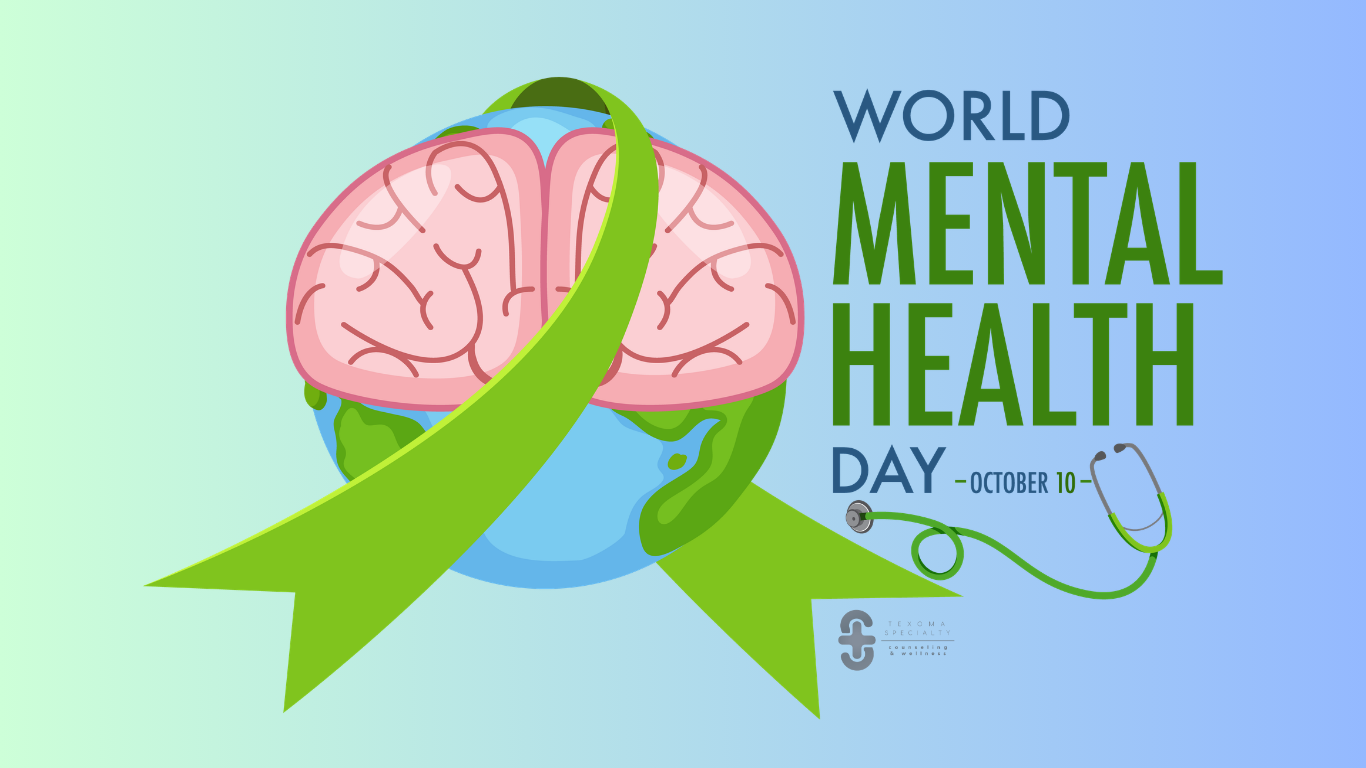
Every October 10th, the world pauses — at least a little — to talk about mental health. And every year I find myself thinking the same thing: we've come so far, and we still have so far to go.
World Mental Health Day has been observed since 1992. That's over 30 years of awareness campaigns, ribbon colors, social media posts, and celebrity disclosures. And yet, nearly half of people with mental health conditions worldwide still don't receive treatment. Here in the US, the numbers aren't much better.
Why? There are a lot of answers to that question — access, cost, availability of providers, systemic gaps. But one of the most persistent, most invisible barriers is stigma.
⏱️ Eleven Years
Stigma is the reason people wait an average of 11 years between when symptoms start and when they first seek treatment. Eleven years. That's not a small thing. That's over a decade of suffering in silence because the message — from families, from communities, from culture — was that mental health struggles are weakness, or choice, or something to be ashamed of rather than something to treat.
I want to talk about what stigma actually looks and sounds like. Because a lot of it is so normalized that we don't even catch it.
🔍 What mental health stigma looks and sounds like:
It sounds like 🗣️ "you just need to pray more" or "other people have it so much worse" or "have you tried just... not being anxious?"
It looks like 👔 someone losing a job opportunity because a colleague found out they'd been hospitalized for depression.
It sounds like 🗣️ "she's so dramatic" or "he's just looking for attention" or "they're using that as an excuse."
It looks like 🏠 a parent refusing to let their child see a therapist because "we don't air our dirty laundry."
It sounds like 🗣️ "I could never tell anyone I'm on medication" — said in a whisper, as if taking an antidepressant is something to hide.
It looks like 🧒 a teenager suffering through anxiety, eating disorders, or self-harm because they're terrified of what their friends will think if they ask for help.
Stigma is not always loud. A lot of the time it's quiet — internalized, absorbed over years, sitting inside the people who need help the most and telling them they don't deserve it, or that they should be able to handle it alone.
✅ How to challenge stigma in your everyday life:
You don't have to be a therapist or an advocate to push back on stigma. Here are a few things that actually move the needle:
🗣️ Watch your language. Words like "crazy," "psycho," "OCD" used casually, or "I'm so depressed" when you mean disappointed — these reinforce the idea that mental illness is either a punchline or something trivial. Language shapes perception, even when we don't mean it to.
💬 Talk openly about your own mental health when it's safe to do so. Disclosure isn't for everyone and it doesn't have to be. But when people in your world hear someone they respect and trust say "I see a therapist" or "I've been managing anxiety for years" — it chips away at the shame. Visibility changes culture.
🙅 Challenge it when you hear it. You don't have to start an argument. A simple "actually, that's not really how depression works" or "I don't think that's fair" is enough. You plant a seed. That's enough.
🤝 Believe people. When someone tells you they're struggling, resist the urge to minimize it or problem-solve or reassure them that it's not that bad. Just believe them. That alone can be life-changing.
🗳️ Support access to care. Advocate for mental health coverage in your workplace. Vote for policies that fund community mental health. Share resources. Normalize treatment the way we normalize going to the doctor for a physical.
💙 A Note from TSC
This year, TSC won't be hosting a World Mental Health Day event — and I want to be honest about that instead of just being quiet about it. Life is busy, the team is growing, and sometimes we have to make choices about capacity. But the absence of an event doesn't mean the absence of commitment. This blog, our social media, our therapists showing up week after week for the people in our community — that's our contribution to this day and every day.
Resources worth knowing about:
🧠 NAMI (National Alliance on Mental Illness) — nami.org | Helpline: 1-800-950-6264 Education, support groups, and advocacy for individuals and families navigating mental health conditions.
🌐 Mental Health America — mhanational.org Screening tools, resources, and policy advocacy.
📞 988 Suicide & Crisis Lifeline — Call or text 988 Available 24/7 for anyone in emotional distress or crisis.
💻 SAMHSA National Helpline — 1-800-662-4357 Free, confidential treatment referrals and information.
🏠 Texoma Specialty Counseling — texomaspecialtycounseling.com | (888) 659-7618 Our team is here. Our blog and social are here for connection, education, and real conversations about mental health. If you have questions, need resources, or just want to know what kind of support exists — reach out through our website. We'll point you in the right direction.
Mental health is health. Full stop. And you deserve care — not in spite of your struggles, but exactly because of them.
Happy World Mental Health Day. 🌍💙
— Dr. Steph